
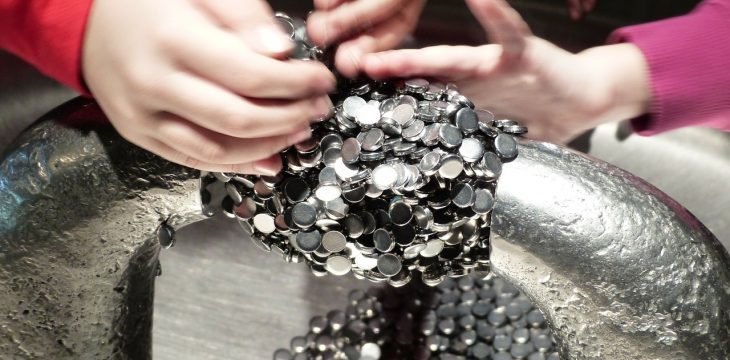
Uses Of Magnets In Our Daily Lives
You have probably experimented and played with magnets before, and you know that magnets do important work everywhere, from which you benefit every day. You likely have one or two magnets in your fridge that hold your notes and pictures. You have bees with different types of magnets. You have magnets on the car, computer, floor of your house, bathroom, or even in bed.
Although magnets are used in many different materials, they can be made from various materials such as steel, glass, metal, plastic, wood, steel, and even glass. These are the different types of magnets: ndfeb magnets, neodymium magnets, SmCo, Alnico, and Ceramic or Ferrite.
Natural and Artificial Magnets
Natural magnets such as claystone are not in vogue – they determine the properties of magnets in other forms of magnetism (e.g., magnets). They are also not suitable for use because they have strange shapes, and when brushed against a piece of steel in just one direction, no magnetic properties develop. However, iron can acquire the properties of claystone by rubbing iron parts against clay called an artificial magnet.
Permanent and Temporary Magnets

Certain types of iron, once magnetized, retain their magnetism and can be made into magnets of different shapes for specific purposes. Such magnets are called permanent magnets and consist of steel with a mixture of iron and nickel magnetism. When a permanent magnet picks up a piece of iron or steel, the nail becomes a temporary magnet that can hold other metal parts. The pole of …
 you want to buy into consideration. Most
 your spotting scope is still. You can buy the tripod stand where you will place your spotting scope to grab the best sight. Find an open place to avoid distraction. The spotting scope turns out to be the best alternative to binoculars. Here is why you should choose one over binoculars.