

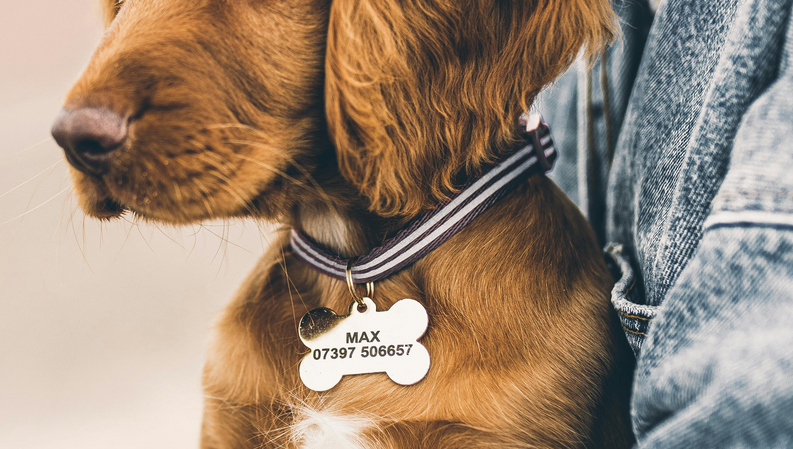
Bringing a puppy home involves many firsts. One of them is introducing an ID tag. While it may seem simple, the experience can feel unfamiliar to a young dog. Puppies are sensitive to new sensations, sounds, and objects. If handled poorly, even small changes can cause discomfort. It does not matter whether you’re choosing Pet Tags for large breeds or smaller, lightweight tags for puppies, a calm and gradual approach helps ensure that they accept the ID tag without stress. Understanding how to introduce it properly can make the process smoother for both the owner and the pet.
Understanding a Puppy’s Sensitivity
Puppies are still learning about their environment. Everything around them is new. This includes the feeling of a collar and the presence of an ID tag. Their reactions are often based on instinct. A sudden change can lead to confusion or mild anxiety. For example, the sound of a tag moving can be unfamiliar. Recognizing this sensitivity is important. It helps guide how the introduction should be handled. A slow and steady approach reduces the chance of negative reactions.
Choosing the Right Tag and Collar

The type of tag and collar plays a role in how the puppy responds. A lightweight tag is more suitable for small and growing dogs. Heavy tags may feel uncomfortable and distracting. The collar should fit properly. It should not be too tight or too loose. A comfortable fit helps the puppy adjust more easily. Material and design also matter. A smooth surface reduces irritation. A simple design avoids unnecessary noise. Selecting the right combination helps ensure that the experience starts on a positive note.
Introducing the Collar First
Before adding the ID tag, it is helpful to introduce the collar alone. This allows the puppy to adjust to the feeling without additional elements. Start by letting the puppy wear the collar for short periods. Gradually increase the duration as they become more comfortable. Positive reinforcement can help. Gentle praise or small rewards encourage acceptance. This creates a positive association with wearing the collar. Once the puppy is comfortable, the next step can be introduced. This staged approach helps reduce stress.
Adding the ID Tag Gradually
After the puppy is used to the collar, the ID tag can be added. The introduction should be gradual. Allow the puppy to observe and sniff the tag before attaching it. This helps reduce curiosity or concern. When the tag is first attached, keep the session short. Monitor how the puppy reacts. If they seem uncomfortable, give them time to adjust. Over time, increase the duration. The goal is to help the puppy accept the tag as a normal part of their routine. Consistency helps ensure that the adjustment process is smooth.
Managing Noise and Movement

One common issue is the sound of the tag. The movement of the tag can create noise that may startle a puppy. To address this, consider using a tag that produces minimal sound. Some designs are quieter and less distracting. Another approach is to secure the tag so it does not move excessively. This reduces noise and makes it less noticeable. Managing these factors helps ensure that the puppy remains comfortable. It also prevents unnecessary stress during the adjustment period.
Building Positive Associations
Creating a positive experience is key. Puppies respond well to encouragement and rewards. Pairing the use of the ID tag with positive moments can help. This could include playtime or feeding. The goal is to help the puppy associate the tag with something enjoyable. This reduces resistance and builds acceptance. Patience is important. Each puppy adjusts at a different pace. Allowing time for adaptation helps ensure a smoother process.
Introducing an ID tag to a puppy requires patience and careful handling. A gradual approach helps reduce stress and encourages acceptance. By focusing on comfort, proper fit, and positive reinforcement, owners can make the process easier. Small steps can lead to lasting results. With the right approach, the ID tag becomes a normal and accepted part of the puppy’s daily life.